Available 7 Days A Week
DETROIT DIESEL DPF EGR DEF DELETE TUNING | DPF DELETE TUNER
DPF, EGR, and DEF removal services for Detroit Diesel engines. Restore engine power, improve fuel efficiency, and eliminate emissions-related failures. Remote ECM tuning via TeamViewer for fast, professional service. Ideal for off-road, export, and deleted-use applications. Trusted solutions to keep your Detroit Diesel engine running strong, reliable, and maintenance-free.

DPF DELETE
DD13,DD15,DD16

EGR DELETE
SERIES 60,MBE
DEF DELETE
DD13,DD15,DD16

POWER TUNING
ALL ENGINES
Welcome to Detroit Diesel DPF EGR DEF Delete Tuning Service, your go to for Detroit Diesel engine optimization. We specialize in professional removal and tuning services for DEF, EGR, and DPF delete tuning components like the Diesel Particulate Filters (DPF), Exhaust Gas Recirculation (EGR) systems, and Diesel Exhaust Fluid (DEF) components for heavy duty truck owners and operators.
At Detroit Diesel DPF EGR DEF Delete Tuning Service we are committed to safe, precise and professional service. Our tuning solutions are for off-road and export applications so we can meet specific use cases. With years of experience and deep knowledge of Detroit Diesel engines we guarantee results.
Remote Tuning Requirements for Detroit Diesel Engines
To ensure a successful and efficient remote tuning session for your Detroit Diesel engine, please ensure you have the following equipment and software prepared before our scheduled appointment.
RP1210-Compliant Diagnostic Adapter
A high-quality diagnostic interface is crucial for communicating with your Detroit Diesel ECM. We support all major RP1210-compliant adapters including the Nexiq USB Link, Cummins Inline, DPA5, Noregon JPRO, or equivalent devices. This hardware serves as the vital bridge between your laptop and the vehicle’s diagnostic port, enabling the precise programming required for performance modifications.
Windows Laptop with AnyDesk Installed
You will need a Windows-based laptop (Windows 10 or 11 recommended) with AnyDesk remote access software pre-installed. This application allows our technician to securely connect to your system and perform the necessary programming steps in real-time. Ensure your laptop is fully charged or connected to power throughout the session to prevent interruptions.
Detroit DiagnosticLink 8.x or Higher with Full Access
A current version of Detroit DiagnosticLink (version 8.x or newer) must be installed with full system capabilities, often referred to as “10-10-10” access. This specific licensing level provides the read/write permissions essential for ECM calibration changes, going beyond basic diagnostic functionality to enable comprehensive tuning modifications.
Stable Internet Connection & Reliable Power Source
A strong, stable internet connection is mandatory for both parties to maintain uninterrupted communication during the programming process. Additionally, we strongly recommend connecting a battery charger/maintainer to the truck’s electrical system to ensure consistent voltage throughout the ECM flashing procedure, preventing potential damage from power fluctuations.
SELECT YOUR ENGINE MODEL

DETROIT DD13
See the list of DETROIT DD13 engines and solution options that we have for you.

DETROIT DD16
See the list of DETROIT DD16 engines and solution options that we have for you.

DETROIT DD15
See the list of DETROIT DD15 engines and solution options that we have for you.
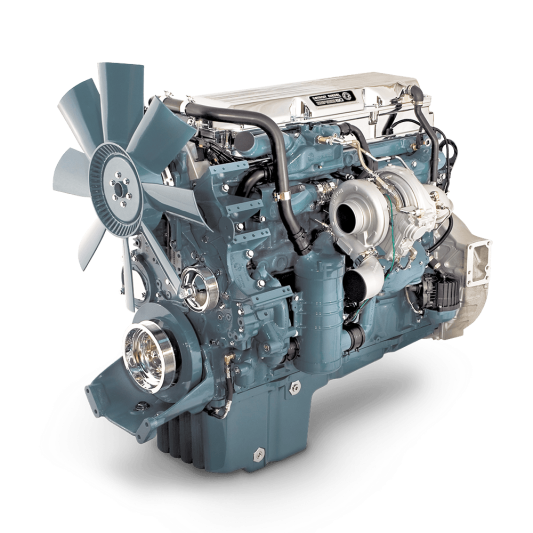
DETROIT SERIES60
See the list of DETROIT SERIES60 engines and solution options that we have for you.
Tuning: Cascadia DPF Delete & Freightliner DEF Delete
If you operate a Freightliner truck, especially a Cascadia, you already know how frustrating emissions-related problems can become. Frequent regeneration cycles, DEF system failures, EGR clogging, and sudden derates can turn a productive truck into a parked liability overnight.
Searches for Cascadia DPF delete, Freightliner DEF delete, DPF delete Freightliner, and remove DEF system Freightliner continue to rise because truck owners are looking for reliability, power, and fewer interruptions on the road.
Freightliner Emissions System
Modern Freightliner trucks, including the Cascadia and M2, use complex aftertreatment systems that include:
-
Diesel Particulate Filter (DPF)
-
Diesel Exhaust Fluid (DEF) system
-
Selective Catalytic Reduction (SCR)
-
Exhaust Gas Recirculation (EGR)
While these systems are designed for emissions compliance, they often introduce mechanical and electronic complications.
Common problems include:
-
Constant regen cycles
-
DEF quality poor codes
-
SCR efficiency faults
-
NOx sensor failures
-
5 MPH derate countdown
-
High exhaust temperatures
When these issues stack up, many owners start considering a professional Freightliner DEF delete or DPF delete solution.
Cascadia DPF Delete: Eliminating Regeneration Problems
A Cascadia DPF delete removes the diesel particulate filter system and recalibrates the ECM to operate without active regeneration.
What This Solves:
-
No more forced regen interruptions
-
Elimination of soot-related clogging
-
Reduced exhaust backpressure
-
Lower maintenance costs
When regeneration stops working correctly, fuel consumption rises and performance drops. Removing the DPF system with proper tuning restores engine efficiency and smooth operation.
However, hardware removal alone is not enough. The ECM must be recalibrated correctly to avoid fault codes and limp mode.
Freightliner DEF Delete: Removing the SCR System Electronically
A Freightliner DEF delete disables the DEF and SCR system through custom ECM programming.
DEF-related failures are among the most expensive and disruptive issues truck owners face. Problems such as:
-
Crystallized DEF injectors
-
DEF pump failure
-
Sensor malfunctions
-
SCR efficiency codes
Often lead directly to engine derate.
To properly remove DEF system Freightliner trucks rely on, you need professional reprogramming that ensures the ECM no longer expects SCR-related data.
PROFESSIONAL SUPPORT
Custom calibration for your Detroit Diesel engine
Many online sellers offer generic delete files. This is where serious risks begin.
Every Freightliner truck is different based on:
-
Engine type (Detroit DD13, DD15, DD16, Cummins, etc.)
-
Model year
-
Software version
-
Transmission configuration
-
Turbo setup
We are DPF Delete-Tuner, a company specializing in DPF and EGR DEF deletions for heavy-duty engines such as Cummins, Detroit, Mack, Volvo, Caterpillar, and PACCAR.
That specialization means understanding each platform individually.
We work with custom calibrations for each engine and never reuse calibrations.
This ensures your Cascadia DPF delete or Freightliner DEF delete is specifically written for your truck — not recycled from another file.
Online Delete Tuning: Fast and efficient on our website dpfdelete-tuner
Gone are the days when tuning required shipping your ECM.
We have years of experience performing online deletions via TeamViewer or AnyDesk.
Remote tuning allows:
-
Faster turnaround
-
Reduced downtime
-
Immediate file modification
-
Direct support during flashing
The reprogramming service at DPF Delete-Tuner is typically completed within one hour of payment. If calibrations take longer, the client will be notified.
This speed keeps trucks moving instead of sitting in a yard.
Secure and Professional Transaction Process
Trust is essential in the tuning industry.
We offer a secure payment system via PayPal invoice. The system is safe for both the client and us.
This protects the client while ensuring a legitimate, professional transaction process.
Safety and Reversibility
One major concern truck owners have is: What if something goes wrong?
In case of problems, we can revert the calibration to its original state to rule out tuning issues.
This means your original file is preserved. If a mechanical issue arises unrelated to tuning, you can restore stock software and diagnose properly.
That level of safety separates professional calibration from risky downloads.
Performance Benefits After Delete
A properly executed DPF delete Freightliner or Freightliner DEF delete often results in:
-
Improved throttle response
-
Reduced turbo lag
-
Increased torque under load
-
Stable exhaust temperatures
-
Elimination of regen downtime
Additionally, we also perform power-enhancing tuning for all turbo diesel truck engines.
For operators hauling heavy loads, power tuning can be calibrated conservatively for durability or more aggressively for increased pulling strength.
Balanced tuning is critical — excessive fuel without proper boost control can damage components.
Pre-Tested Calibration for Reliable Operation
Our DPF EGR DEF delete calibration solutions are 100% pre-tested to ensure proper operation.
Pre-testing minimizes:
-
Unexpected fault codes
-
Software incompatibilities
-
Drivability issues
This gives clients confidence before flashing their ECM.
Customer Support & Communication
Technical service should never feel unreachable.
We answer your questions promptly on our website, dpfdelete-tuner.
Clear communication during the process ensures the flashing procedure goes smoothly.
Is Removing the DEF System Right for You?
Before deciding to remove DEF system Freightliner trucks use, consider:
-
Frequency of emission-related repairs
-
Downtime costs
-
Fuel efficiency concerns
-
Long-term operational goals
For many owner-operators and fleet managers, repeated emission failures justify professional delete tuning as a reliability strategy.
Choosing the Right Freightliner Delete Service
When comparing providers, evaluate:
-
Custom file creation
-
Platform-specific expertise
-
Online remote capability
-
Fast turnaround time
-
Secure payment system
-
Ability to revert to stock
-
Pre-tested calibration files
Choosing a professional service ensures your Cascadia DPF delete or Freightliner DEF delete is done correctly the first time.
Tuning: Detroit diesel DEF,SCR Delete
Diesel exhaust fluid (DEF) and selective catalytic reduction (SCR) system removal is a component removal and calibration modification process for Detroit Diesel engines. This procedure, applicable to DD13, DD15, DD16, and Series 60 engines equipped with advanced aftertreatment, involves the physical removal of SCR components and the electronic deactivation of the DEF dosing system. The primary objective is to eliminate the operational burden, consumables costs, and failure points associated with the NOx reduction system.
Engine control modules meticulously monitor the quality and quantity of the DEF. If the DEF tank level is depleted, quality is compromised, or any system component fails, the engine’s electronic controls will issue a series of increasingly frequent warnings, ultimately resulting in a drastic reduction that drastically limits vehicle speed and power to ensure regulatory compliance.
Physical removal involves disabling the DEF system. This includes removing the DEF injection nozzle from the exhaust pipe, removing or rerouting the DEF supply lines, and often removing the DEF tank and metering pump.
The second part involves installing a custom calibration file in the engine’s electronic control module (ECM) and aftertreatment control module (if standalone). This “erase configuration” performs several essential functions: it permanently disables all commands to the metering pump and DEF injector, removes the monitoring algorithms for the DEF tank level and fluid quality sensors, and clears the NOx sensor monitoring and diagnostic trouble codes associated with the SCR system.
The software recalibrates the engine to operate without DEF-dependent aftertreatment, avoiding power reduction strategies and ensuring normal engine operation.
Contact Us
+51966080192
DPF SOLUTIONS